
OUR MEASUREABLE RESULTS
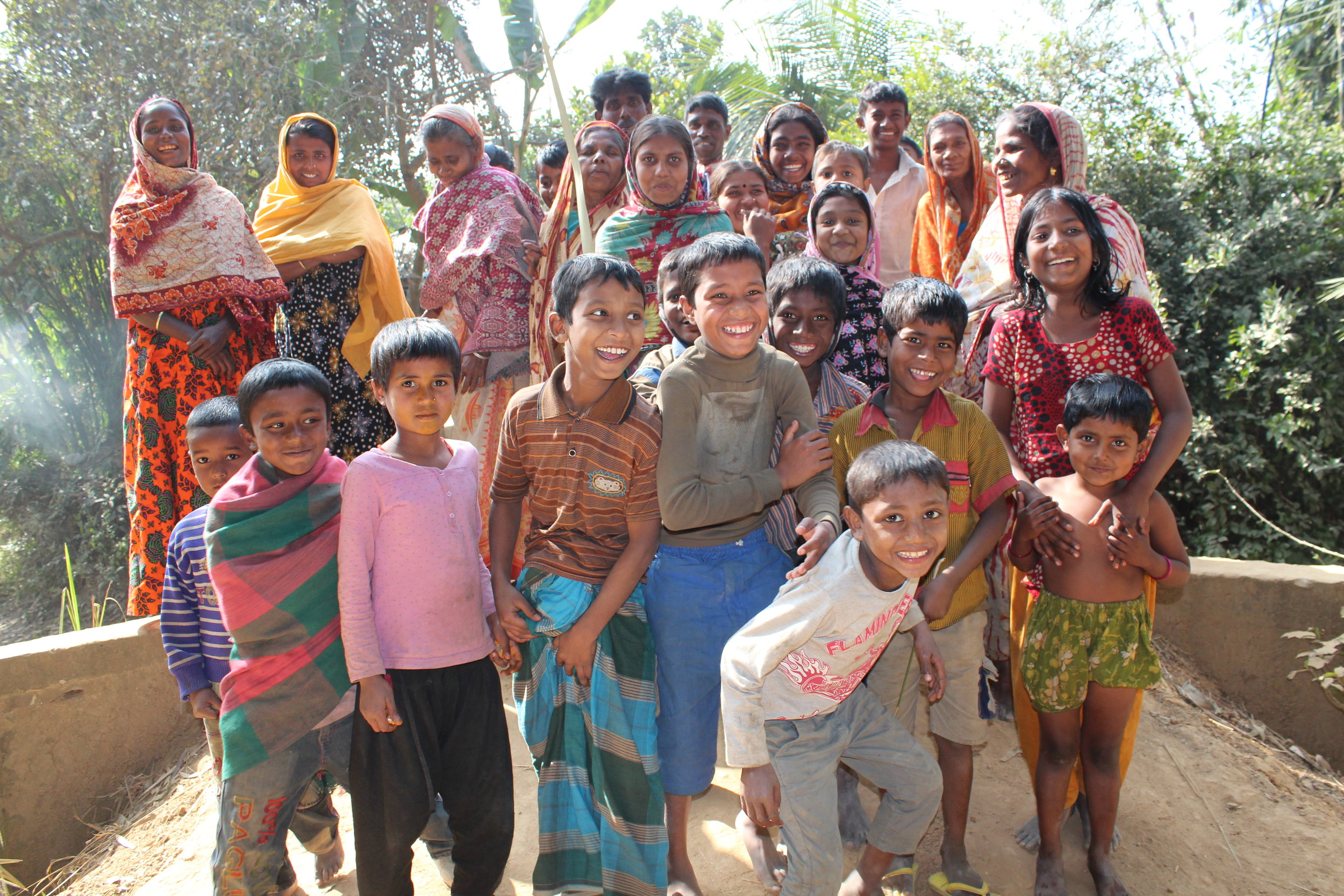
We have high standards when it comes to outcomes and evaluative processes. To date, 75,433 families have been permanently lifted out of poverty due to our efforts in Bangladesh. With an average of five people per family, that is a total of 377,165 people!
The goal is to reduce poverty by a minimum of 50% in any area we serve. The results to date - poverty has been reduced in all nine of PEP’s work areas - between 25% and 85% in each area with six areas achieving the goal of 50% poverty reduction.
A survey is done every three to four years to measure key indicators and document the progress of the families and the work of the organization. Work areas are evaluated after each survey to refocus on the areas with the highest percentage of poverty.
Extensive poverty reduction among families in our working areas has also had a tremendous impact on local economies through increased purchasing power of the poor, improved agriculture practices, reforestations, promotion of gender equality, education for the children and clean water, sanitation, and housing for the poor. We also have had opportunities to improve the regions our families live in through building flood protection levees, drainage canals, roads and bridges, and fish ponds.
% of Population by District

HOME
43,000 families have received emergency food assistance

HEALTH
42,396 children and pregnant or lactating mothers have received vitamins critical to their health
Education
91,901 children have been educated through our two year child development centers

WORK
25,644 women have taken part in savings and micro-credit programs
CONTACT US
PSDI welcomes your questions, comments and concerns. Please call 314.993.5599 or email us using the contact form below.
THE PEOPLE WE SERVE
We are currently serving as many extremely poor families as our resources allow. These families live in one of 412 villages in four districts in Bangladesh; Netrokona, Bogra, Kishoreganj and Chandpur.
Most of our target families fall into the poorest two of the four categories by which we classify the poor. The four categories are:
extreme hard core poor
Families that have one simple meal daily and no economic assets.
hard core poor
Families that have two simple meals a day and very minimal economic assets.
very poor
Families who experience some food deficiency during the year.
less poor
Families who have sufficient food but are unable to provide healthcare or education for their children.